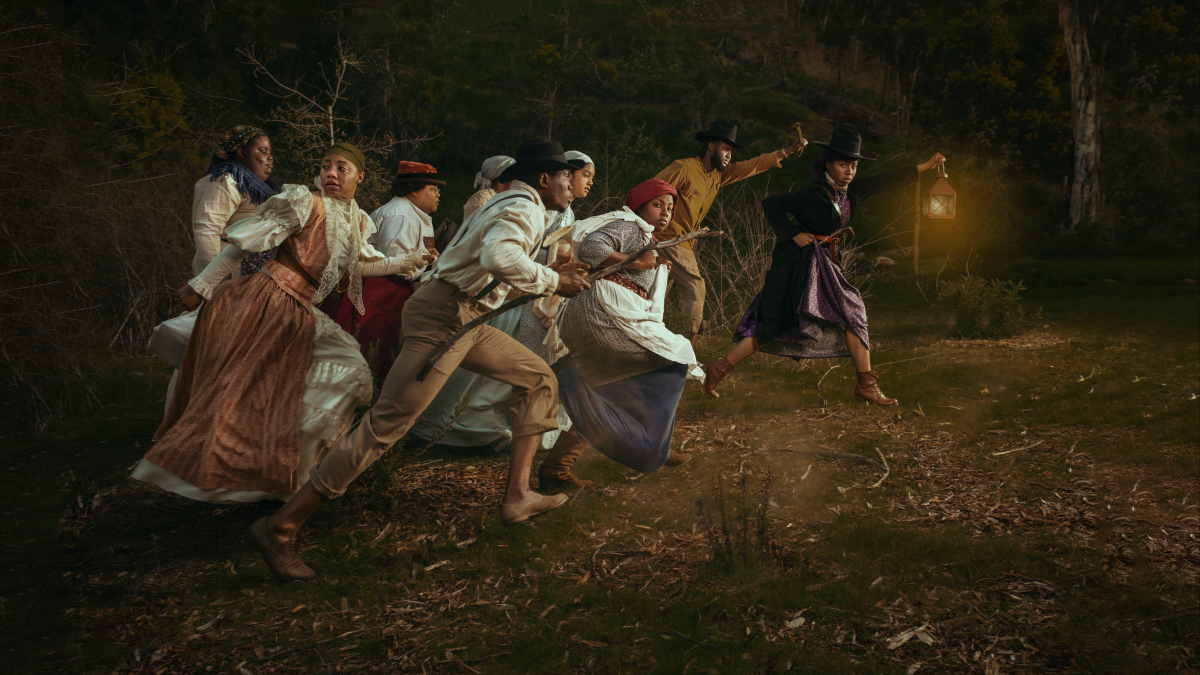
Anyone could be part of the Underground Railroad. It just took dedication, participation, and secrecy. Some people were afraid of being recognized and punished for helping slaves flee; others did not care.
For the slaves that escaped, the risk of being caught was far less than the fear of continuing life as a slave. During this time, slaves were only valued as property, not as human beings.
This was a time of trust and unknowing adventure. Slaves had to trust that the homes they were led to would genuinely help them, and the people helping were afraid of both punishment and the unknown.
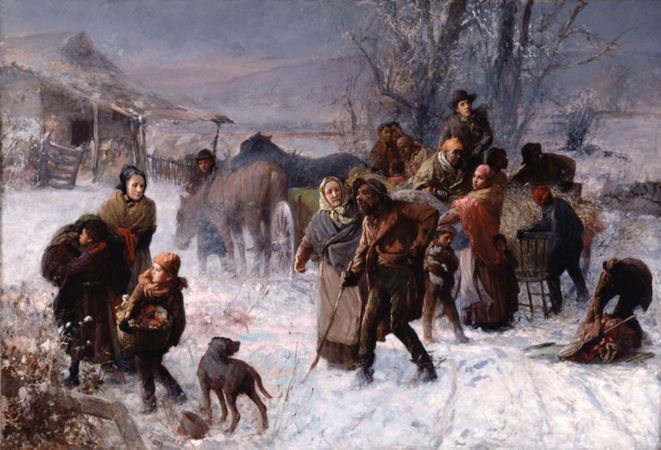
The Underground Railroad was a loose network of people who helped enslaved people escape. The network used railroad terms as code — homes were called "stations," guides were called "conductors," and donors were called "stockholders."
Escaped slaves traveled from station to station, often secretly at night. They fled to northern states where slavery was illegal, and after 1850, many fled to Canada.
Harriet Tubman was one of the most famous conductors. The network was first mentioned in 1831 when a plantation owner blamed it for helping one of his slaves escape. It had no single leader — just ordinary people who believed slavery was wrong.
"Underground Railroad." Gale Elementary Online Collection, Gale, a Cengage Company, 2020. Gale In Context: Elementary, link.gale.com/apps/doc/WCAAYI507924518/ITKE?u=tel_s_tsla&sid=ITKE&xid=0a570d2d. Accessed 18 Feb. 2021.